


Your provider: Araceli Huerta, APRN, MSN, FNP-CUpdated October 20, 2026
The quick version
| Treatment | How it works | Typical downtime |
|---|---|---|
| Opus Plasma | Fractional plasma created by radiofrequency at the skin surface; resurfacing plus collagen stimulation | About 3–7 days of redness and flaking, depending on settings |
| Morpheus8 | Radiofrequency microneedling: insulated needles deliver heat deeper in the skin | Often 1–3 days of redness and swelling |
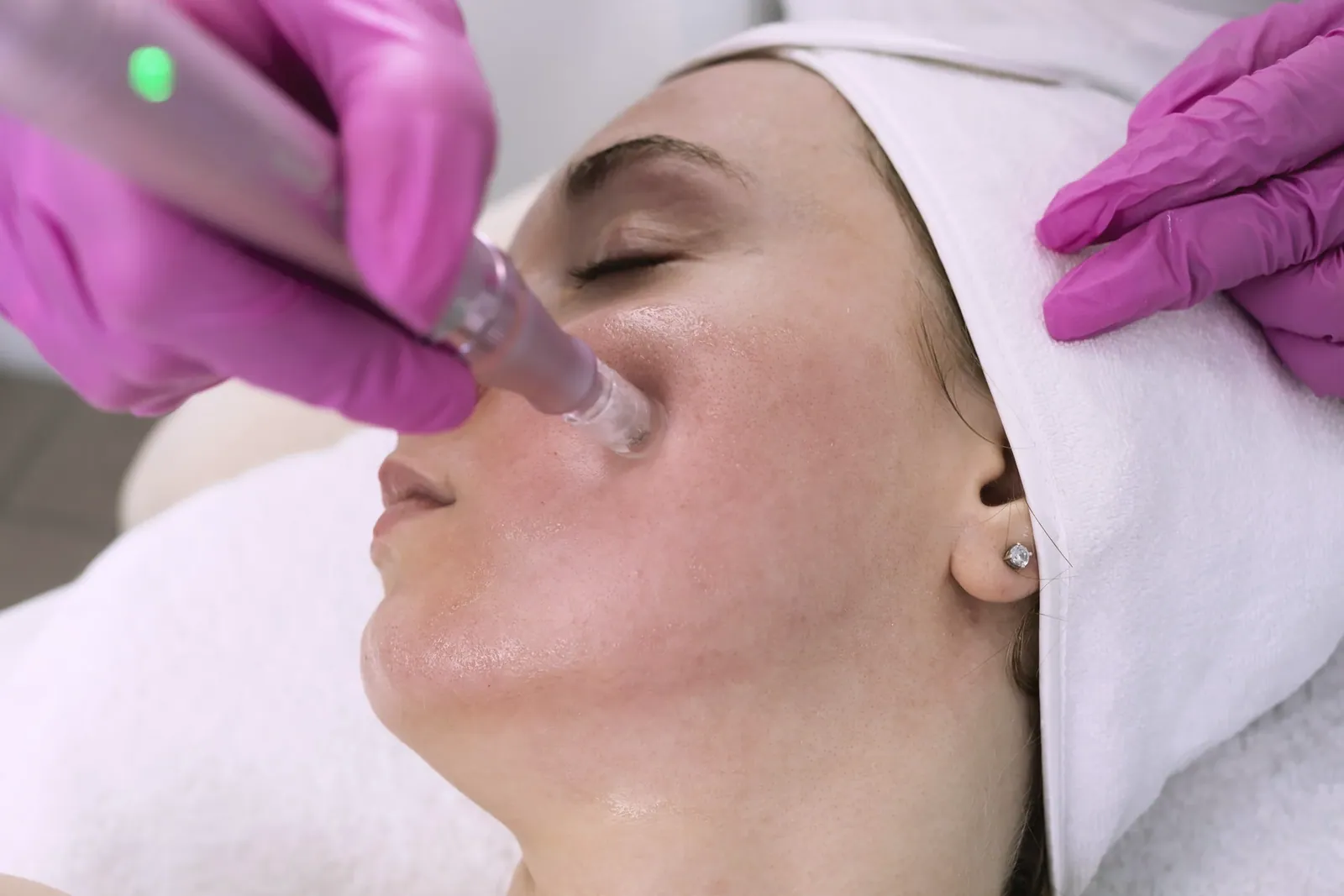
| Microneedling | Fine needles create channels that trigger collagen; boosters can be added | About 1–2 days of redness |
Opus Plasma
Opus works mostly at the surface, resurfacing texture while stimulating collagen. It’s a strong option for fine lines, rough texture, acne scars and uneven tone, with less downtime than traditional ablative lasers. It’s our flagship; read more about Opus.
Morpheus8
Morpheus8 combines microneedling with radiofrequency heat delivered at deeper adjustable depths, which is why it’s popular for skin laxity and contouring as well as texture. We don’t offer Morpheus8, but it’s a well-regarded treatment; if deeper tightening is your main goal, it’s worth asking about where it’s offered.
Microneedling
The gentlest of the three, with the least downtime and suitable for a wide range of skin tones. Paired with exosomes, PDRN or PRP, it’s a strong choice for glow, pores and mild scarring. Microneedling with boosters · PRP microneedling.
Which is better for me?
- Texture, fine lines, acne scars, and you can take a few days off: Opus Plasma.
- Glow and pores with minimal downtime, or a deeper skin tone: microneedling.
- Laxity and tightening as the main goal: RF microneedling such as Morpheus8, or a surgical consult.
Most people need a series with any of the three, and results vary. Araceli will recommend what fits your skin at a free consultation.